
- vehicle_selection-snow-driving-basics-what-matters-most
- awd-4wd-vs-fwd-understanding-winter-performance
- best-rental-suvs-for-snowy-conditions-long-distance-travel
- sedans-vs-crossovers-for-icy-roads-real-world-comfort-and-control
- winter-driving-stories-and-real-road-experiences-from-travelers
- safety-preparation-and-rental-tips-for-cold-weather-trips
Choosing the Right Vehicle for Snowy Roads: What Actually Matters
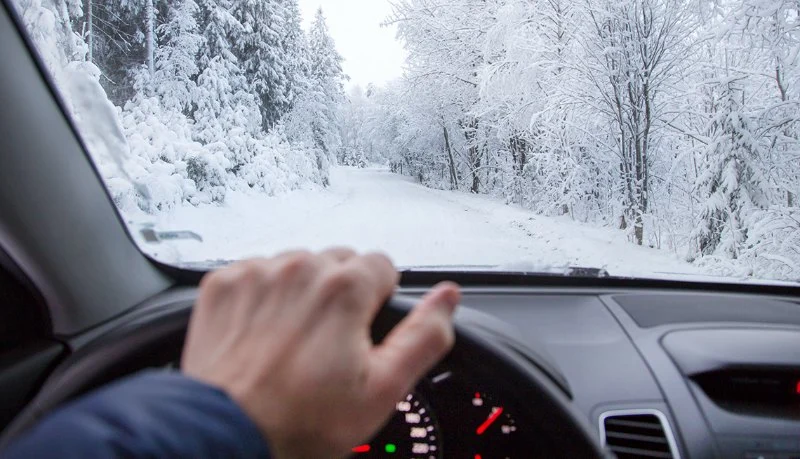
When people search for the best rental cars for driving in snowy conditions, they often focus only on brand names or size. In reality, the real difference comes from traction systems, tire performance, weight distribution, and driver visibility. Snowy roads don’t forgive guesswork, especially in regions where ice builds up overnight and melt-freeze cycles create invisible hazards.
A traveler driving through Colorado once shared how a compact rental sedan surprised them during a sudden snowstorm near a mountain pass. Despite its size, it handled steadily because it had winter tires and traction control systems properly tuned. That kind of real-world experience shows that vehicle setup matters as much as vehicle category.
Before choosing a rental, it’s worth considering how often roads will be plowed, whether mountain driving is involved, and how long your trips will be each day. Companies like Carvel Car Rental often help travelers match conditions with appropriate vehicles, especially during peak winter seasons when demand spikes.
AWD, 4WD, and FWD Explained in Real Winter Conditions
Understanding drivetrain systems is essential when selecting winter rental cars. Many travelers assume all-wheel drive automatically guarantees safety, but the truth is more nuanced.
All-Wheel Drive (AWD): Balanced Confidence
AWD systems distribute power to all wheels automatically. This is extremely helpful when roads shift between dry pavement, slush, and ice within a single trip. Most modern SUVs in the category of snow driving SUVs use AWD as a standard feature.
Four-Wheel Drive (4WD): Built for Harsh Terrain
4WD is often found in trucks and rugged SUVs. It is manually engaged in many cases and is designed for deep snow or off-road winter conditions. Drivers heading into remote cabins or ski lodges often prefer this option.
Front-Wheel Drive (FWD): Underestimated but Practical
FWD vehicles are sometimes overlooked, but they can perform surprisingly well in light to moderate snow. Because the engine weight sits over the driven wheels, traction improves naturally. However, steep icy hills can still present challenges.
Choosing between these systems depends heavily on your route. A city traveler might be perfectly fine with FWD, while mountain explorers should lean toward AWD or 4WD.
Best Rental SUVs for Snowy Conditions and Long-Distance Comfort
SUVs dominate the list of best rental cars for driving in snowy conditions because of their stability, clearance, and advanced traction systems. But not all SUVs are equal when it comes to winter performance.
Mid-Size SUVs: The Balanced Choice
Mid-size SUVs are often the most practical winter rental option. They combine fuel efficiency with stability and enough ground clearance to handle moderate snow accumulation. Travelers often appreciate their predictable handling on icy highways.
Full-Size SUVs: Maximum Control in Deep Snow
Full-size models provide higher ground clearance and stronger engines, making them ideal for heavier snow regions. Families traveling to ski resorts often choose these for comfort and safety.
Compact SUVs: City-Friendly Winter Travel
Compact SUVs are easier to park and maneuver in urban winter environments. While they may not handle deep snow as well as larger models, they remain a popular rental choice for short winter trips.
A frequent winter traveler once described driving a rental SUV through Utah’s snowy canyon roads, saying the elevated seating position alone made them feel more confident navigating shifting visibility conditions. That psychological comfort is often overlooked but extremely important in winter driving.
Sedans vs Crossovers: Which Handles Ice Better?
Sedans are often underestimated in winter conditions, yet modern engineering has significantly improved their performance. Meanwhile, crossovers offer a middle ground between sedans and SUVs.
Sedans: Controlled and Efficient
Sedans tend to sit lower to the ground, which improves stability on cleared roads. They are also fuel-efficient, making them ideal for long highway winter drives. However, deep snow can be a limitation.
Crossovers: The Versatile Middle Option
Crossovers combine sedan-like comfort with SUV-like height. This makes them a strong candidate for travelers unsure about road conditions. Many winter renters prefer crossovers for suburban and mixed-condition travel.
The decision often comes down to unpredictability. If snow conditions fluctuate frequently, crossovers provide the flexibility many drivers need without committing to a full SUV.
Real Winter Driving Stories That Highlight Vehicle Choice
A well-known winter travel incident shared among road trip communities involves a group driving through the Midwest during an unexpected snowstorm. They rented a compact SUV instead of a sedan after advice from a local rental agent. That decision likely prevented delays, as highways quickly became slushy and visibility dropped dramatically.
Another traveler recounted a trip through the Rocky Mountains where black ice formed unexpectedly. Their AWD rental vehicle activated traction control instantly, preventing a potential skid on a downhill curve. These real experiences reinforce why choosing the right vehicle is not just convenience—it’s safety.
Stories like these often influence how travelers plan future trips, especially when renting through services that specialize in winter-ready fleets like Carvel Car Rental.
Preparing for Winter Roads: Rental Tips That Make a Difference
Even the best rental cars for driving in snowy conditions require proper preparation. Safety is not just about the vehicle—it’s about how you use it.
Check Tire Condition and Type
Winter or all-season tires significantly improve traction. Always confirm tire type before leaving the rental lot.
Understand Vehicle Safety Features
Modern vehicles include traction control, stability assist, and anti-lock braking systems. Learning how these systems behave in snow improves confidence.
Drive Slower Than You Think You Need To
Speed reduction is one of the most effective safety measures. Snowy roads extend stopping distances significantly.
Maintain Extra Following Distance
A safe buffer allows reaction time when vehicles ahead suddenly brake on icy roads.
These habits, combined with the right rental car, dramatically reduce winter driving risks.
Why Choosing the Right Rental Matters More Than Ever
Winter travel has become increasingly popular in recent years, especially with more people exploring mountain destinations and seasonal road trips. However, unpredictable weather patterns have made vehicle selection even more important.
A well-matched rental can turn a stressful winter journey into a smooth and enjoyable experience. Whether it’s a compact crossover for city snow or a full-size SUV for mountain terrain, choosing wisely ensures safety, comfort, and peace of mind.
For travelers planning their next winter road trip, exploring curated options through services like Carvel Car Rental can help match driving conditions with the right vehicle category, ensuring a more confident journey from start to finish.





 Enterprise Rent-A-Car4.0 (544 reviews)
 Silverstar Transport Inc5.0 (1 reviews)
 Drive Force Inc1.0 (1 reviews)
 Enterprise Rent-A-Car4.0 (328 reviews)
 Lomax Car Rental service3.0 (3 reviews)
 Enterprise Rent-A-Car4.0 (1048 reviews)
 What Car Rental Companies Rent to Under 25? A Complete Guide for Young Drivers
 Your Guide to Will Rogers World Airport Car Rental: Tips for a Smooth Experience
 How Much is the Deposit for Payless Car Rental? Find Out Before You Book
 What Car Rental Companies Allow Out of State Travel
 Renting a Car for the Holidays: How to Secure Your Vehicle in Advance
 What Car Rental Companies Are in the Orlando Airport? Complete MCO Guide