
- booking-checkout-process - Understanding cleaning fee triggers and rental policies
- inspection-pickup-insights - Pre-rental inspection strategies that protect you
- usage-habits-prevention - Driving and usage habits that reduce cleaning disputes
- return-strategy-guide - Smart return procedures to avoid extra charges
- real-case-breakdown - Real rental disputes and what they teach
Why “Clean Enough” Isn’t Always Enough in Rental Car Returns
Many travelers are surprised when they receive unexpected charges after returning a vehicle, especially when they believed they returned it in “normal condition.” The reality is that rental companies define cleanliness more strictly than most drivers expect. Understanding how to avoid cleaning fees on rental cars starts with recognizing that these charges are not always about obvious dirt—they often involve subjective assessments of condition.
In busy U.S. rental hubs like airport locations, vehicles turn over quickly. Staff are trained to spot anything that might slow down the next rental. A few crumbs, sand in the trunk, or even light pet hair can sometimes trigger a cleaning surcharge. This is where confusion begins for many customers who assume normal use won’t be questioned.
Where Cleaning Fees Actually Come From
Cleaning charges usually fall into two categories: standard detailing and “excessive cleaning.” Standard cleaning is baked into the business model, but excessive cleaning is where customers get surprised. Companies often justify this by claiming the car required additional labor or specialized cleaning.
One common misunderstanding involves the difference between visible dirt and “operational delays.” For example, a vehicle returned slightly muddy after a hiking trip might still be considered acceptable, but if the mud requires extended detailing time, it may be billed as an extra service.
This is why understanding rental car cleaning charges is essential before you even start your trip. The fine print matters more than most travelers realize.
Pre-Rental Inspection: Your First Line of Defense
One of the most effective ways to avoid disputes is documenting the vehicle before you leave the lot. This step is often skipped in a hurry, but it can be the difference between a smooth return and a disputed invoice.
What to document before driving off
Take photos of the exterior, seats, floor mats, trunk space, and dashboard. Pay attention to existing stains, dust buildup, or debris. If something looks questionable, report it immediately to the rental desk so it is recorded in the system.
A frequent traveler once shared a case where they were charged for “sand damage” after a beach trip. Fortunately, they had documented sand already present in the trunk during pickup. The charge was dismissed immediately. This simple habit is one of the most powerful ways to avoid extra rental fees.
Driving Habits That Help Prevent Cleaning Disputes
How you use the vehicle matters just as much as how you return it. Small habits during your trip can significantly reduce the chance of cleaning-related charges.
Food, pets, and long-distance travel risks
Eating inside the car is a major contributor to cleaning disputes. Crumbs, spills, and odors can linger longer than expected. Similarly, transporting pets often introduces hair and dander that standard vacuuming may not fully remove.
If you must eat during travel, keep wipes or a small handheld vacuum in the car. For pet owners, using a protective seat cover is a simple but effective safeguard.
Weather and terrain awareness
Road trips involving snow, mud, or sand require extra caution. Even if the exterior looks manageable, particles often enter floor mats and trunk linings. Being mindful of terrain helps you avoid accidental “excess cleaning” situations.
Return Strategy: How Timing and Presentation Matter
Returning the vehicle is not just about handing over the keys. The condition and timing of the return play a subtle but important role in how the vehicle is assessed.
A rushed return in poor lighting, such as late-night drop-offs, increases the risk of disputes. Whenever possible, return the vehicle during daylight hours so both you and the staff can clearly inspect its condition.
Quick clean before return
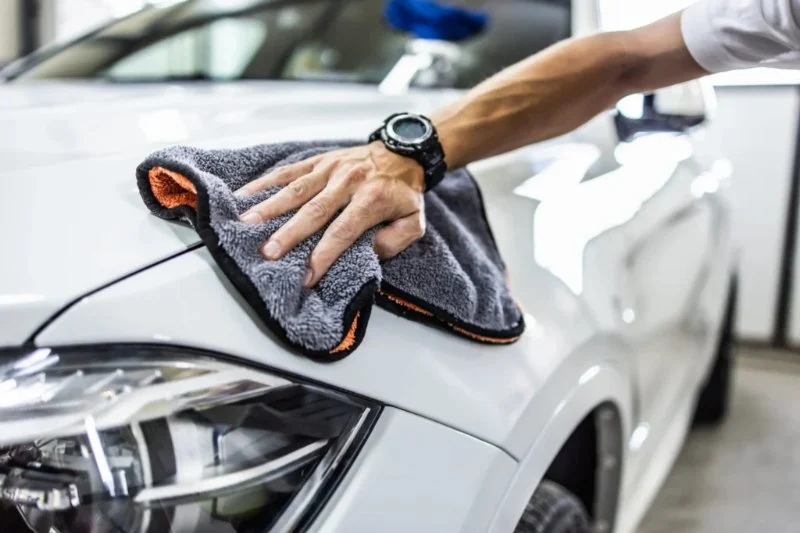
A five-minute cleanup can make a significant difference. Remove trash, shake out floor mats, and wipe visible surfaces. This small effort often prevents misunderstandings about vehicle condition.
Think of it as “presentation cleaning”—not detailing, but enough to show responsible use.
Real Case: The Coffee Spill That Turned Into a $150 Fee
A traveler renting a sedan for a weekend business trip experienced a common scenario. A small coffee spill occurred on the passenger seat during morning traffic. They wiped it quickly and assumed it was resolved.
Upon return, the rental company classified it as “interior deep cleaning required” and issued a charge. The issue wasn’t the spill itself—it was the lingering odor detected during inspection.
This case highlights an important lesson: even minor incidents can escalate if not fully addressed. Cleaning isn’t just visual; it includes smell, residue, and perceived effort required to restore the vehicle.
Understanding Inspection Psychology at Rental Counters
Rental inspections are often performed under time pressure. Staff are trained to identify issues quickly, not to conduct deep forensic analysis. This means first impressions matter significantly.
If a vehicle looks organized and reasonably clean, inspectors are more likely to process it without further scrutiny. However, visible clutter or odors can trigger deeper inspection and possible charges.
This is where knowledge of how to avoid cleaning fees on rental cars becomes practical rather than theoretical—you are actively shaping the inspector’s perception.
Working With Rental Policies Instead of Against Them
Every rental company has a policy outlining “acceptable return conditions,” but these policies are often broad. Instead of trying to interpret them perfectly, it’s more effective to adopt a conservative approach: return the vehicle cleaner than you received it.
Companies appreciate consistency and predictability. A well-maintained return reduces friction, speeds up processing, and minimizes the chance of additional scrutiny.
For frequent travelers, platforms like Carvel Car Rental can be useful for comparing providers that offer clearer cleaning policies and more transparent fee structures. Choosing the right provider is sometimes as important as how you use the vehicle.
When Cleaning Fees Are Actually Justified
Not all cleaning charges are unfair. There are legitimate cases where extra fees are appropriate, such as heavy staining, smoke odors, or biohazard-level contamination.
Understanding this distinction helps travelers avoid unnecessary disputes. If damage or mess clearly exceeds normal use, accepting responsibility is often more efficient than contesting the charge.
The key is balance: protect yourself from unfair fees, but also recognize when additional cleaning is genuinely required.
Smart Habits That Consistently Save Money
Experienced renters develop habits that eliminate most cleaning issues before they begin. These include quick daily resets of the car interior, avoiding risky behaviors like eating messy foods inside the vehicle, and doing a final walkthrough before reaching the return location.
These habits don’t require effort—they require awareness. Over time, they become automatic and significantly reduce the likelihood of disputes.
Ultimately, mastering how to avoid cleaning fees on rental cars is about understanding expectations, managing small behaviors, and treating the vehicle as if every detail will be reviewed under inspection.






 RH Auto Solutions0.0 (0 reviews)
 Enterprise Rent-A-Car4.0 (146 reviews)
 Avis Car Rental3.0 (98 reviews)
 Amecandia Rent-A-Car0.0 (0 reviews)
 RV Rental Denver0.0 (0 reviews)
 Rentomotors0.0 (0 reviews)
 Should You Rent a Car or Use Ride-Sharing for Your Next Trip?
 Renting a Car in Washington DC: Essential Guide for Tourists
 How to Choose the Best Rental Car for Winter Driving in the US
 How to Choose the Right Car for Your Road Trip Across the US
 How Much is a Car Rental in Costa Rica – Expert Cost Breakdown
 Is Endeavor a Car Rental? Understanding the Car Rental Service