

- What to Do Immediately After an Accident in a Rental Car
- Contacting the Rental Car Company and Insurance
- Documenting the Accident for Insurance and Legal Purposes
- What to Expect During the Insurance Process
- Real-Life Example: A Rental Car Accident Experience
- Conclusion: Handling Accidents in Rental Cars with Confidence
What to Do Immediately After an Accident in a Rental Car
Getting into an accident in a rental car can be stressful and overwhelming. However, it's important to stay calm and take the proper steps to protect yourself, the rental car, and others involved. Here’s what you need to do immediately:
- Ensure Safety: First, check if anyone is injured. If there are injuries, call emergency services immediately. If it's safe to do so, move the vehicles to the side of the road to prevent further accidents.
- Call the Police: Always report the accident to the police. They will create an official report, which is crucial for insurance claims and legal purposes. The police report will also help clarify fault in the accident.
- Exchange Information: Swap contact and insurance information with the other driver(s), including their names, phone numbers, driver’s license numbers, and license plate numbers. If the other driver is uncooperative or flees, inform the police immediately.
Contacting the Rental Car Company and Insurance
Once you've ensured the safety of everyone involved, the next step is to contact the rental car company. Rental companies typically have specific procedures for accidents, and they’ll need to know about the situation right away. Here’s what to do:
- Notify the Rental Company: Call the rental car company’s emergency line to report the accident. They will guide you through their process, which often involves filling out an accident report and possibly returning the car to a different location depending on the damage.
- Understand Your Insurance Coverage: Before renting, you should be aware of the insurance coverage options available, such as Collision Damage Waiver (CDW) or Liability Insurance. If you have your own car insurance or credit card coverage, it might extend to rental cars as well, so it’s important to confirm your coverage beforehand.
Documenting the Accident for Insurance and Legal Purposes
Proper documentation is critical when dealing with insurance claims and potential legal matters. Follow these steps to ensure you have all the necessary information:
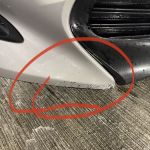
- Take Photos: Use your phone to take detailed pictures of the scene, including the damage to both vehicles, the license plates, any visible injuries, and the surrounding area. This documentation will serve as evidence for the insurance company.
- Get a Copy of the Police Report: The police report will contain essential details about the accident, such as fault determination, witness statements, and accident circumstances. Make sure to get a copy for your records.
- Keep Receipts and Documents: Hold onto any receipts related to the accident, such as medical bills or repairs. These documents will help with insurance claims and any potential disputes.
What to Expect During the Insurance Process
Once you’ve reported the accident to both the rental company and your insurance provider, the claims process will begin. Here’s what to expect:
- Assessment of Damages: The rental car company will assess the damages to the vehicle and determine if you’re responsible for paying for the repairs. Your insurance coverage will typically help cover these costs, but you may be liable for the deductible depending on the type of coverage you have.
- Insurance Investigation: The insurance company will investigate the accident to determine liability. This could involve reviewing the police report, speaking with witnesses, and assessing the evidence you’ve provided. The process can take several weeks to resolve.
- Settlement and Deductibles: If the insurance company finds that you were at fault, you may be required to pay the deductible or cover the full repair costs. However, if the other driver is found to be at fault, their insurance will typically cover the expenses.
Real-Life Example: A Rental Car Accident Experience
Consider the case of John, who rented a car during a business trip. While driving on a highway, he was rear-ended by another vehicle. After ensuring everyone was okay, John called the police and reported the accident. The police arrived at the scene and filed a report, noting that the other driver was at fault. John then contacted the rental car company and his credit card provider, both of which offered coverage for the accident. The rental company arranged for a tow, and after submitting all documentation, John’s insurance covered the repair costs without any major issues.
Conclusion: Handling Accidents in Rental Cars with Confidence
While being in an accident in a rental car is undoubtedly stressful, knowing the right steps to take can help you manage the situation with confidence. Always ensure safety first, notify the proper authorities, document everything, and understand your insurance coverage. By following these steps, you’ll be well-prepared to handle the aftermath of an accident and minimize the hassle. For those in need of reliable rental cars and comprehensive insurance options, visit Carvel Car Rental for the best services and support during your travels.





 Amigo's Car Rental3.0 (32 reviews)
 Alamo Rent A Car4.0 (845 reviews)
 Enterprise Rent-A-Car4.0 (325 reviews)
 Thrifty Car Rental - San Francisco International Airport2.0 (1175 reviews)
 Fox Rent A Car Chicago O'Hare International Airport2.0 (1531 reviews)
 Alamo Rent A Car3.0 (749 reviews)
 Do I Need Car Rental Insurance? What Every U.S. Driver Should Know
 How Much Is Avis Car Rental Deposit? What U.S. Renters Need to Know
 Does Enterprise Do a Credit Check for Car Rental?
 What Does Enterprise Car Rental Insurance Cover and How It Protects You
 What Time Does Enterprise Car Rental Open? Your Guide to Enterprise Hours
 How to Extend Budget Car Rental Without Stress